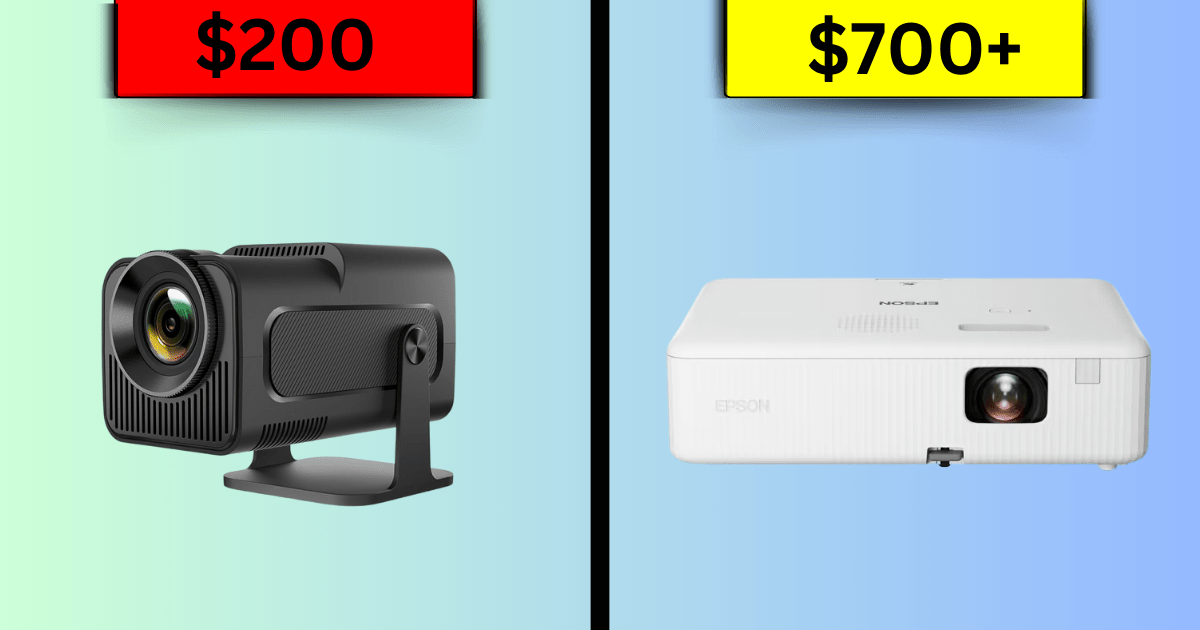
A budget projector at $150-$200 and a premium projector at $700+ can look similar on a spec sheet, but the gap shows up in light source, brightness consistency, contrast, and how long the unit lasts before something needs replacing. This guide breaks down every factor that separates the two price tiers so you can work out which side of the line actually suits your room and viewing habits.
Budget vs Premium: The Core Difference
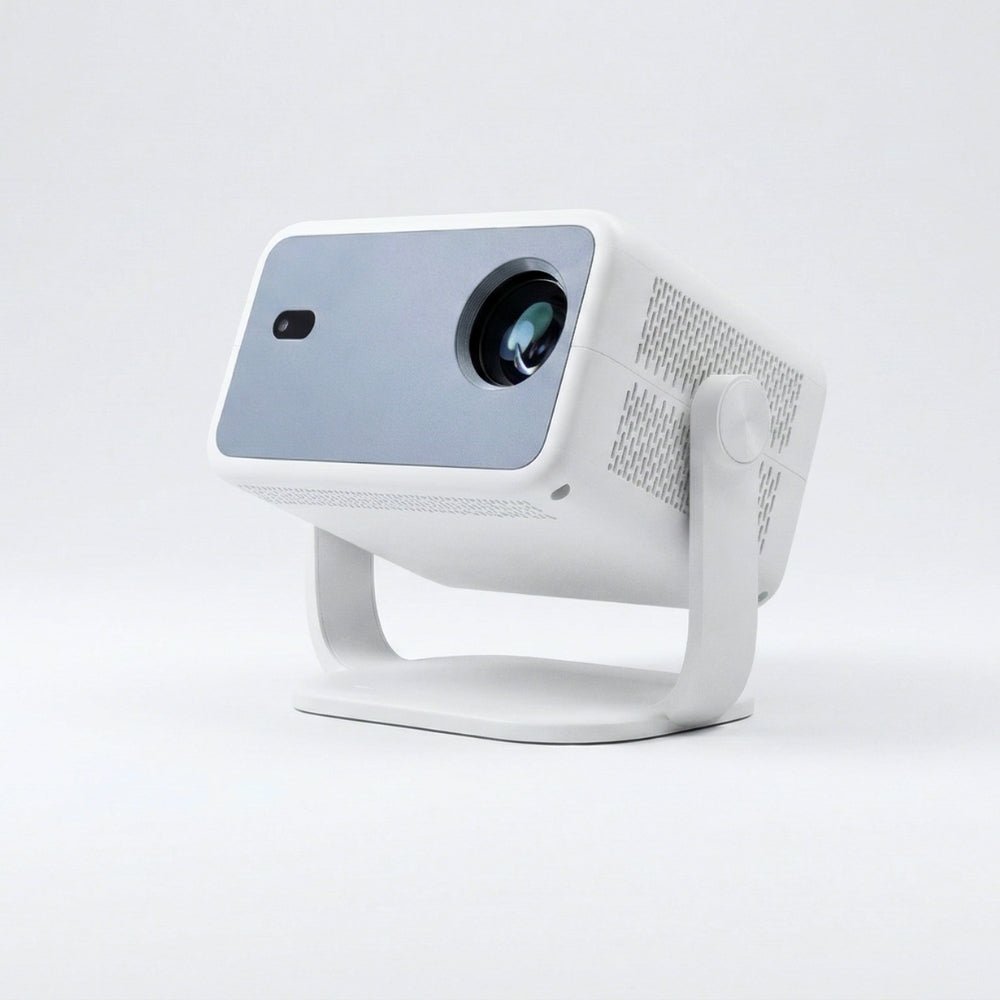
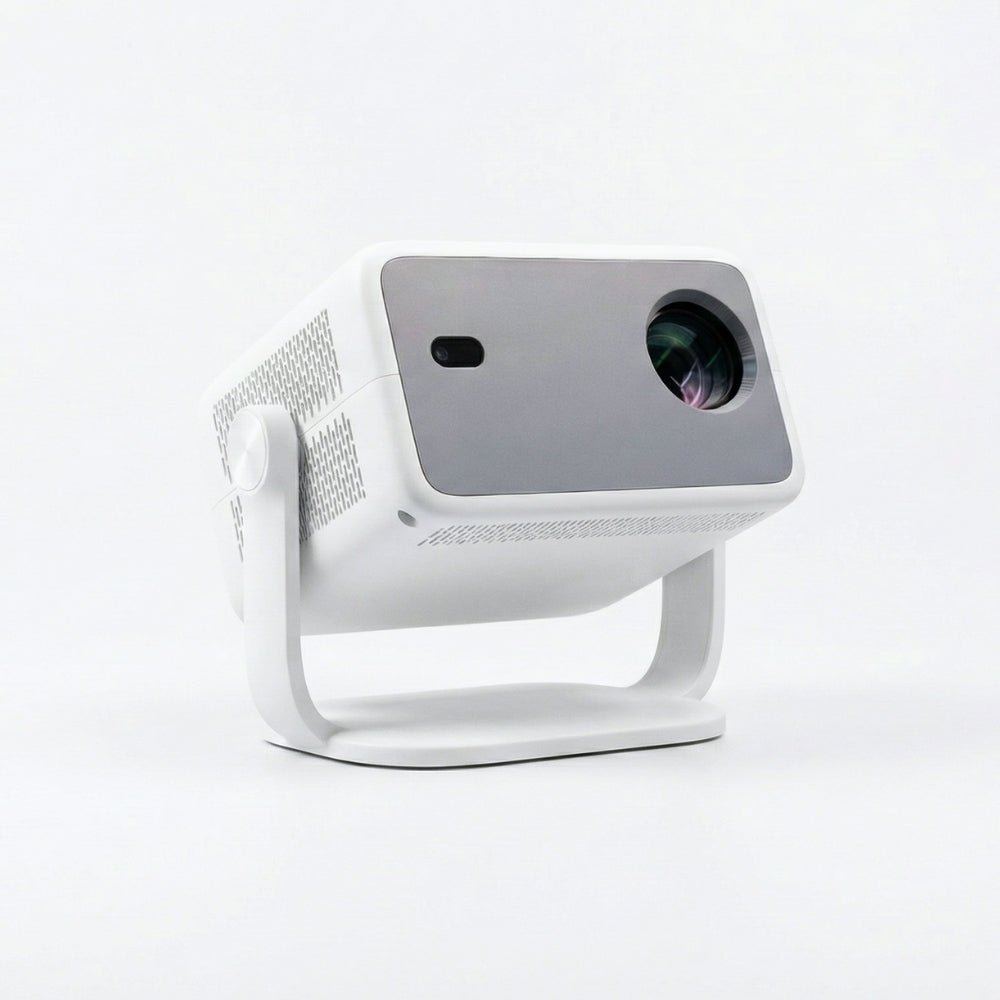
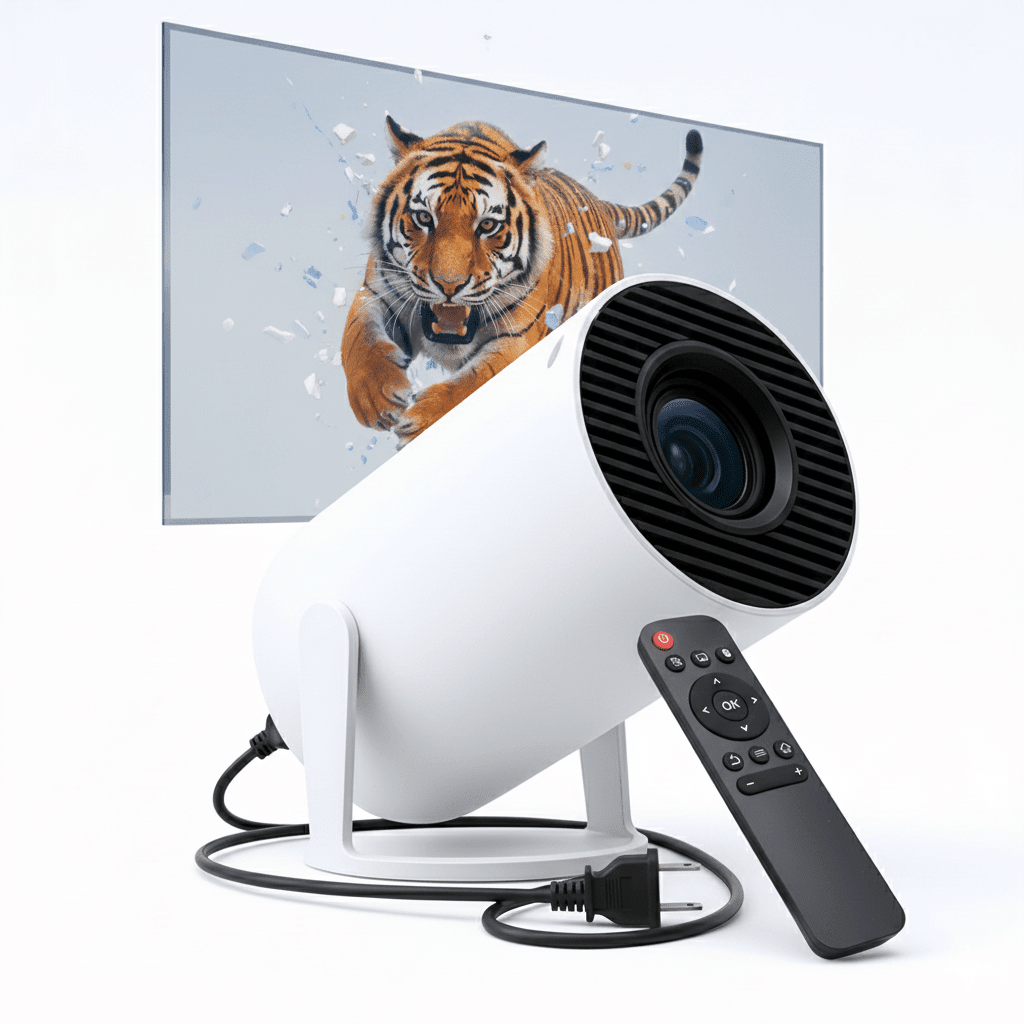
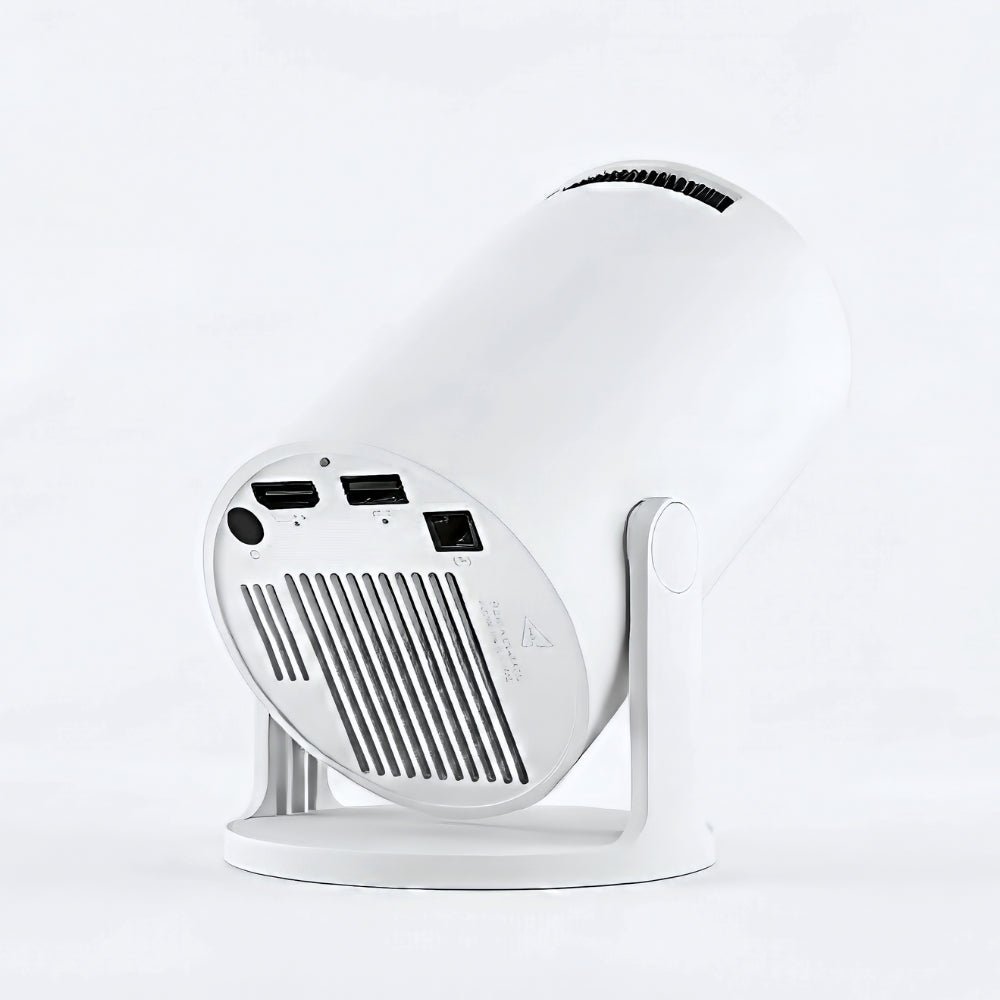
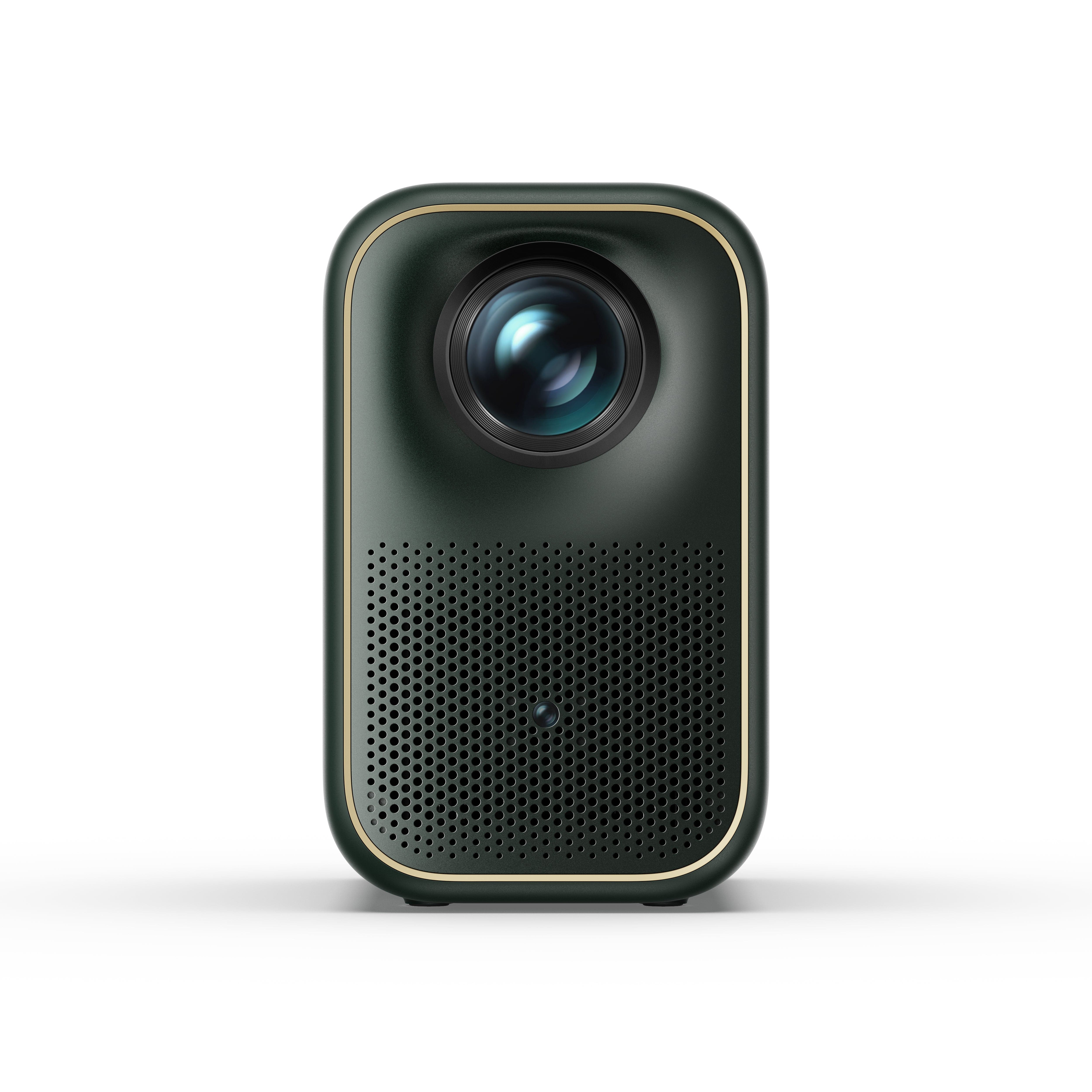
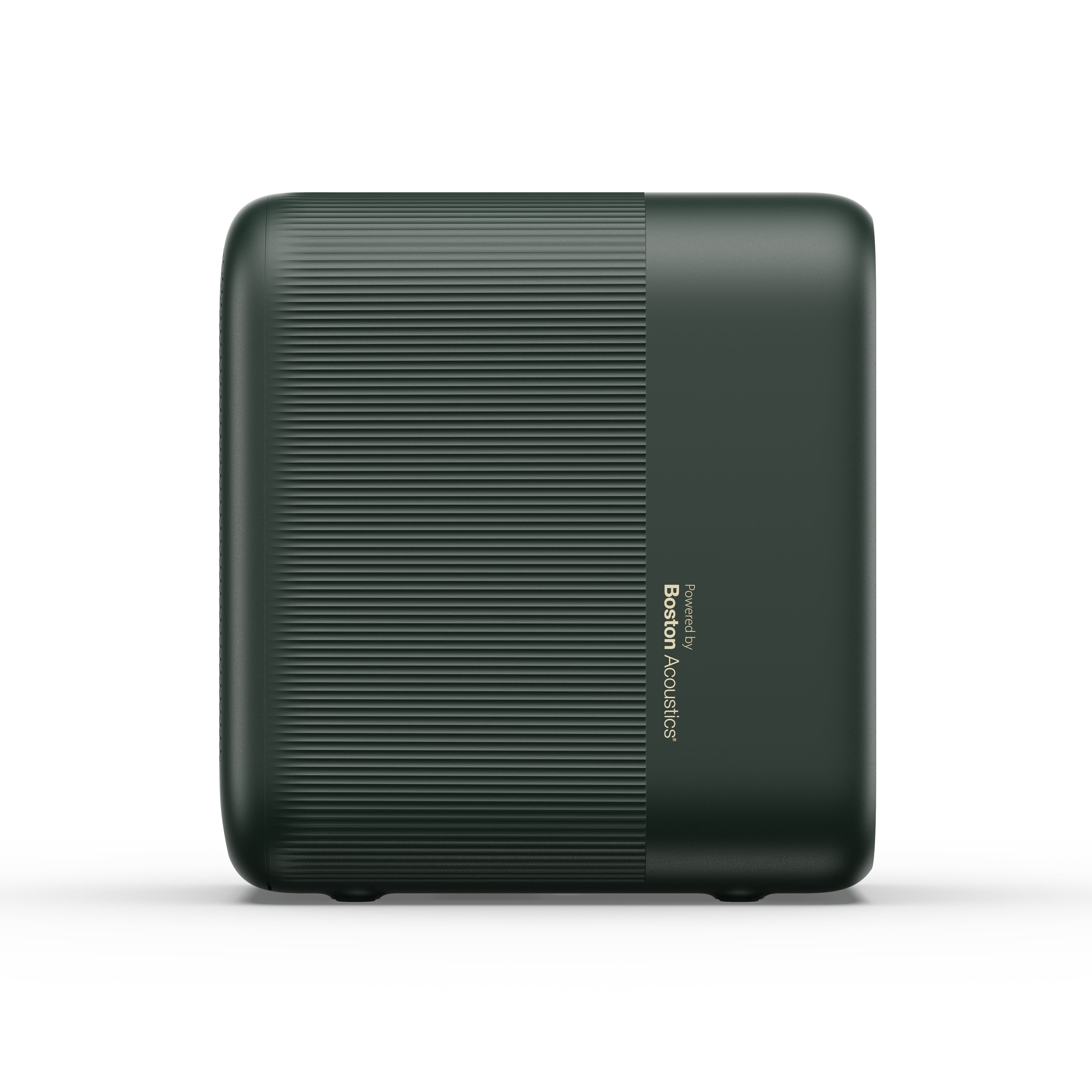
At the $150-$200 mark, you are typically looking at a compact LED projector such as The Spotlight Projector Pro. It is portable, offers solid HD visuals, and covers movie nights or casual gaming without fuss.
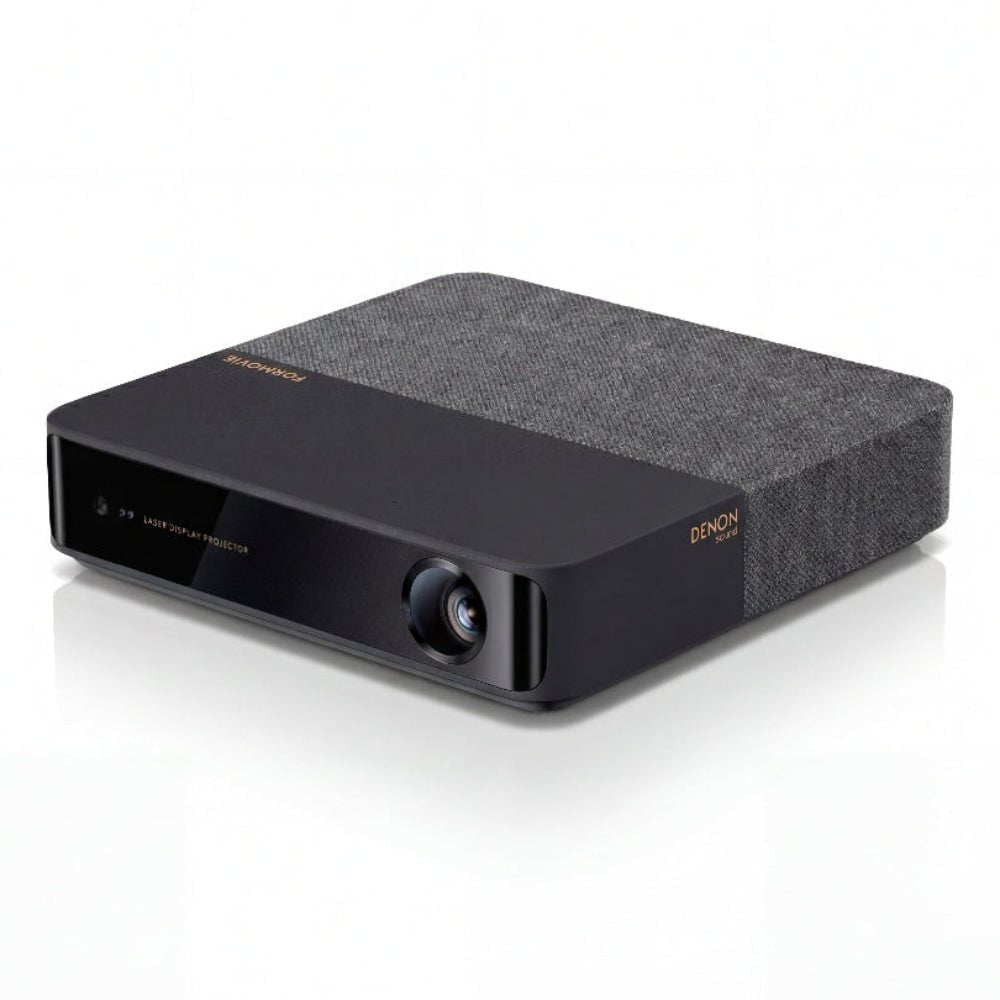
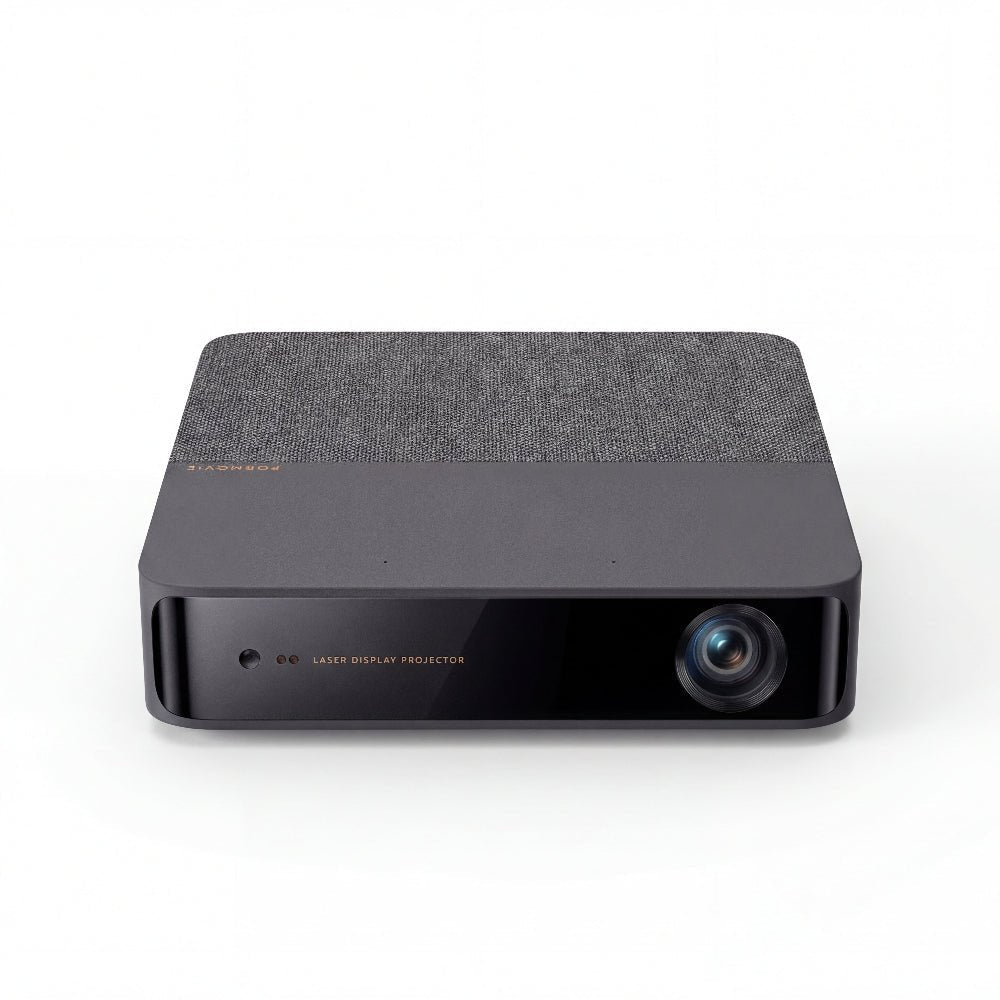
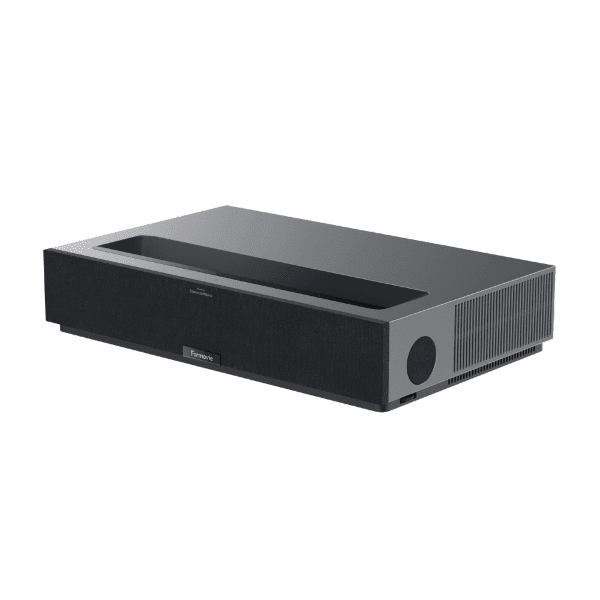
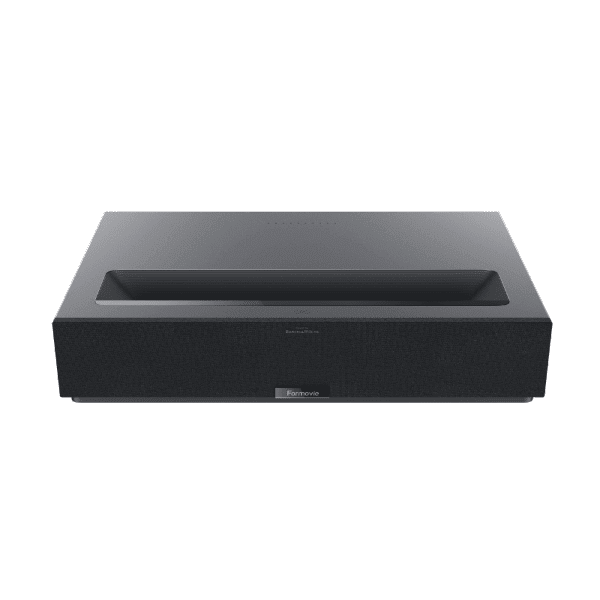
Move up to $700+ and you are in home theatre territory, with options like the Formovie Xming Page One. The gap is not just the price tag. It shows up in light source technology, brightness stability over time, contrast performance, and build quality.
Light Source: Lamp, LED, or Laser
This is the single biggest factor separating budget and premium projectors, and it is where most buying guides fall short. Every projector uses one of three light sources, and the choice affects both day-one image quality and total cost of ownership.
Lamp-based projectors are common at the premium end and offer strong initial brightness, but they degrade over their lifespan and need periodic replacement bulbs, an ongoing cost worth factoring into the total price.
LED projectors dominate the budget tier. They run cooler, need no bulb replacement, and hold their brightness far more consistently over years of use, though initial lumen output tends to sit lower than lamp models.
Laser projectors sit at the premium end and solve the degradation problem entirely. A laser unit rated at a given brightness will still deliver close to that output years later, with no lamp replacement ever required.
For the full technical breakdown of how these three compare on brightness, colour accuracy, and running cost, see The Projection Room's guide to laser vs LED vs LCD projectors.
Lumens: Brightness Isn't Everything
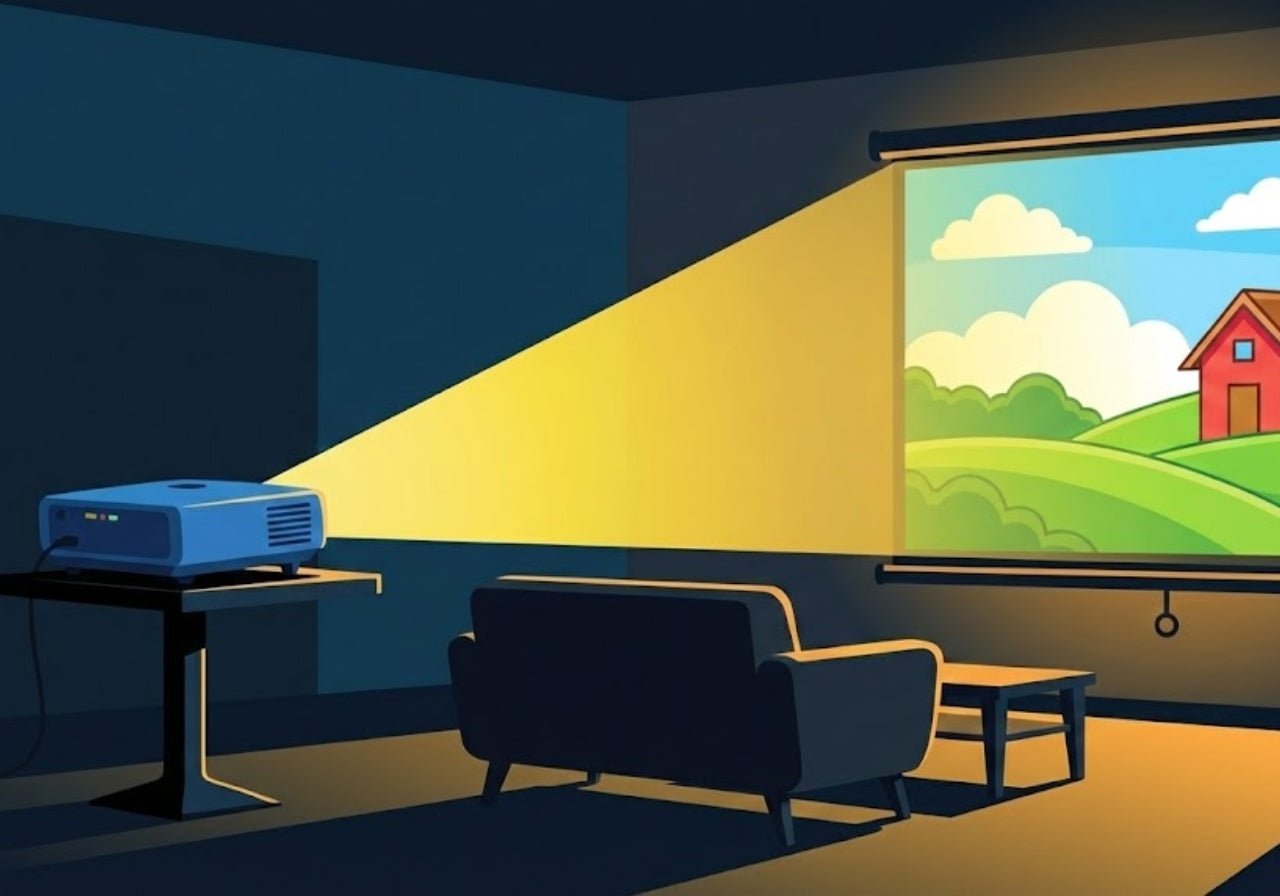
Lumens measure how bright a projector gets, which matters most if you are watching with lights on. A $150-$200 projector might offer 120-900 lumens, like The Spotlight Projector Pro above. That is fine for a dim room but will struggle against daylight. A $700+ premium model can push 2,500-3,000 ANSI lumens or more, holding a punchy picture even with some ambient light in the room.
The catch: a bright image can still look washed out if resolution and contrast are not up to scratch, and not all "lumens" figures mean the same thing. If a listing does not specify ANSI or ISO lumens, treat the number as unverified marketing brightness rather than a true measurement. The Projection Room's ANSI vs ISO vs LED lumens guide covers how to read these figures correctly before comparing two projectors on brightness alone.
The practical goal is not "as bright as possible." It is "bright enough for the room," while preserving contrast. A dark, light-controlled space rarely needs premium-tier brightness at all.
Resolution: Sharpness That Counts
Resolution is about detail. A budget projector at $150-$200 often sticks to 720p or supported 1080p, like The Mini Portable Projector, which upscales a native 480p signal to 1080p support. It is decent for casual use, but fuzziness can show on larger screen sizes.
At $700+, native 1080p or 4K pixel-shifting becomes standard, as seen in the Formovie S5. Higher resolution means crisper text and a more immersive feel, especially once you are projecting past 100 inches.
Contrast Ratio: Depth and Realism
Contrast ratio is the gap between the darkest blacks and brightest whites a projector can produce. A $150-$200 projector might sit around 800:1, like the Formovie Xming Q1 SE, solid for the price but leaving shadows looking slightly grey.
A $700+ premium projector can reach 16,000:1 or higher, delivering deeper blacks and richer colour. For home theatre use, this is what makes dark movie scenes pop instead of looking flat.
Modern triple-laser projectors are starting to close the old trade-off between brightness and contrast, but at the budget tier this remains the sharpest dividing line between the two price brackets.
Image Quality Beyond the Spec Sheet
Lumens, resolution, and contrast all feed into image quality, but numbers do not tell the whole story. A budget projector can be sharp on paper while colour accuracy drifts, making skin tones or skies look slightly off. Premium projectors, including laser models like the Formovie V10, tend to nail panel uniformity and use more advanced processing for a more lifelike image.
Side by side, the premium option consistently reads as more cinematic even when the spec sheet gap looks small.
Build Quality, Durability, and Running Costs
This is where premium projectors earn their price. A budget unit typically uses plastic housing and basic cooling, which can shorten its working life under heavy use. Step up models like The Spotlight Projector Pro MAX improve on this with sturdier construction, while $700+ premium projectors bring metal components, stronger heat management, and longer-rated light sources.
Total cost of ownership matters here too. A lamp-based projector needs replacement bulbs over its life, an ongoing cost on top of the purchase price. LED and laser projectors avoid this entirely, which can close the price gap over several years of use even though the upfront cost is higher.
Which One Is Right for You?
A $150-$200 budget projector is a strong choice if you are watching mainly in a dark room, do not mind tweaking settings occasionally, and want a low-risk entry point for movie nights or casual gaming. For that use case, The Projection Room's best mini projectors collection covers exactly this.
If you want a true home theatre setup with vivid colour, sharp detail, and enough brightness to handle a partially lit room, a $700+ premium projector is worth the jump. Browse The Projection Room's full projector range to compare the budget and premium tiers side by side.
Quick Comparison
| Budget ($150-$200) | Premium ($700+) | |
|---|---|---|
| Light source | LED | Laser or lamp |
| Brightness | 120-900 lumens | 2,500-3,000+ ANSI lumens |
| Resolution | 720p / supported 1080p | Native 1080p or 4K |
| Contrast ratio | ~800:1 | 16,000:1+ |
| Running cost | None (no bulb) | None if laser, periodic if lamp |
FAQ
Is a $700 projector really worth it over a $200 one?
It depends on your room and how you watch. In a fully dark room for casual viewing, a budget LED projector delivers most of what you need. If you want brightness that holds up with some ambient light, sharper detail at larger screen sizes, and deeper contrast for movie nights, the premium tier earns its price.
Do premium projectors cost more to run long term?
Not necessarily. Laser and LED light sources need no bulb replacements, so a premium laser projector can actually cost less over several years than a cheaper lamp-based model that needs periodic replacement bulbs.
What's the single biggest factor to check before buying?
Confirm whether brightness is listed in ANSI lumens or unspecified lumens. An unspecified figure is unverified and often overstates real-world brightness by a wide margin.