ANSI vs. ISO vs. LED Lumens: Real-World Conversion Guide
To estimate real ANSI lumens from a spec sheet: divide LED lumens by 2.4, multiply Light Source lumens by 0.04 to 0.06, or multiply CVIA lumens by 2. None of these conversions are official standards, since no regulatory body defines how LED, Light Source, or CVIA lumens are measured, but all three are consistent enough across manufacturer disclosures to be useful. ANSI and ISO lumens don't need conversion either; they run within about 5–20% of each other depending on testing source, close enough to compare directly. Our lumens guide covers the definitions, history, and physics behind these standards in depth. This guide is the field version: how to take a number off a real listing and know what you're actually getting.
Quick Conversion Reference
| Spec sheet says | Do you need to convert it? | Real ANSI estimate |
|---|---|---|
| ANSI lumens | No conversion needed | Use as-is |
| ISO lumens | No conversion needed | Runs roughly 5–20% lower than an ANSI figure for the same unit, depending on testing source, but close enough to compare directly |
| LED lumens | Divide by 2.4 | 1,000 LED → ~417 ANSI |
| Light Source lumens | Multiply by 0.04 to 0.06 | 1,000 Light Source → ~40–60 ANSI |
| CVIA lumens | Multiply by ~2 | 1,000 CVIA → ~2,000 ANSI |
| Plain lumens with a huge number, no standard named | Treat as Light Source or LED | Assume the low end until proven otherwise |
ANSI and ISO aren't numerically identical. Depending on the testing body, ANSI figures run anywhere from about 4.5% to 20% higher than ISO figures for the same hardware, since ISO 21118 applies a slightly stricter tolerance. That gap is small enough that both are treated as trustworthy, comparable figures in the industry, unlike the LED, Light Source, and CVIA numbers below, which need real conversion.
Why the Same Projector Gets Several Different Numbers
Every projector has one true brightness output, but manufacturers can choose where in the optical chain they measure it, or which national standard they measure it against. Light travels from the source (an LED, laser phosphor wheel, or lamp) through a colour wheel or dichroic mirrors, through the imaging chip, and finally through the lens onto the screen. Each stage loses light. ANSI, ISO, and CVIA lumens all measure what actually lands on the screen using a 9-point grid, they just come from different standards bodies. Light Source lumens measure the raw output at the very first stage, before any of that loss. LED lumens attempt to account for the Helmholtz-Kohlrausch effect, where highly saturated colour is perceived as brighter than a light meter would register, and manufacturers apply their own multiplier to the ANSI figure to produce it. That's the whole story: same projector, several different points in the chain or different regional standards, several different numbers.
The Conversion Methodology
Step 1: Identify which standard is named. If a listing says ANSI lumens or ISO lumens by name, the number is measured at the screen and needs no adjustment. These two are close enough to be interchangeable for buying decisions.
Step 2: If it says CVIA lumens, multiply by roughly 2. CVIA is a newer Chinese standard used by brands like Dangbei, XGIMI, and JMGO. Based on public manufacturer comparisons, a CVIA figure runs at roughly half the equivalent ANSI figure for the same hardware.
Step 3: If it says LED lumens, divide by 2.4. This ratio comes from cross-referencing manufacturer disclosures where the same hardware is listed both ways; it is a rule of thumb, not a physical law, since the HK effect that LED lumens tries to quantify has no standardised measurement.
Step 4: If it says Light Source lumens, or just a large unlabeled number, multiply by 0.04 to 0.06. This wide range exists because optical efficiency varies by projector: cheaper colour wheels and lenses sit toward the 0.04 end, better optics toward 0.06.
Step 5: If no standard is named at all, assume the worst case. An unlabeled brightness claim in the thousands on a budget projector is almost always a Light Source or peak figure, not a screen measurement.
Worked Examples
| What the listing says | Conversion applied | Real ANSI estimate | Verdict |
|---|---|---|---|
| 3,000 LED Lumens | ÷ 2.4 | ~1,250 ANSI | Usable in a dim room, washes out with any daylight |
| 9,000 Lumens (no standard named) | × 0.04–0.06 (Light Source) | ~360–540 ANSI | Dark-room-only, despite the biggest number on the box |
| 1,000 CVIA Lumens | × 2 | ~2,000 ANSI | Solid for a dim living room |
| 2,200 ANSI Lumens | None needed | 2,200 ANSI | Comfortable dim living room, close to daytime-usable |
Notice the pattern: the projector with the biggest number on the box (9,000 Lumens) is the dimmest in reality. This is the exact confusion the conversion exists to cut through.
Reverse Lookup: What Number Should You Look For?
Once you know the real ANSI figure you need for your room, per the thresholds in our lumens guide, you can work backward to know what to search for on a badly-labeled listing.
| Target | ANSI needed | Look for at least (LED) | Look for at least (Light Source) | Look for at least (CVIA) |
|---|---|---|---|---|
| Dark home theater / bedroom cinema | 1,500 ANSI | ~3,600 | ~30,000 | ~750 |
| Dim living room | 2,500 ANSI | ~6,000 | ~50,000 | ~1,250 |
| Bright room / conference use | 4,000 ANSI | ~9,600 | ~80,000 | ~2,000 |
| Daylight / outdoor use | 5,500 ANSI | ~13,200 | ~110,000 | ~2,750 |
These are estimates built from the same conversion ratios above, so treat them as a floor to search against, not a guarantee. When in doubt, look for a listing that names ANSI or ISO directly and skip the guesswork entirely.
Red Flags on a Spec Sheet
These phrases are common signals that a brightness figure isn't measured at the screen, watch for them regardless of how big or confident the number looks:
- "Peak brightness" or "Max lumens" — usually the brightest single point, not the 9-point average that ANSI/ISO/CVIA use
- "Boost mode" lumens — a temporary high-power setting, not the sustained output you'll actually watch on
- "Ultra-bright" or "Super bright" with no number attached — marketing language standing in for a spec
- A percentage claim with no stated baseline (e.g. "40% brighter") — brighter than what, measured how?
- A bare number with no unit standard named at all — treat as Light Source lumens per the conversion above
Brightness is only one factor in a purchase decision. For the fuller picture, including resolution, contrast, and connectivity, see what to look for when buying a projector.
Lumen Conversion Calculator
Convert between any two brightness standards, not just to ANSI. Useful when you're comparing two listings that use different units and want them on the same footing.
Manufacturer Patterns to Watch For
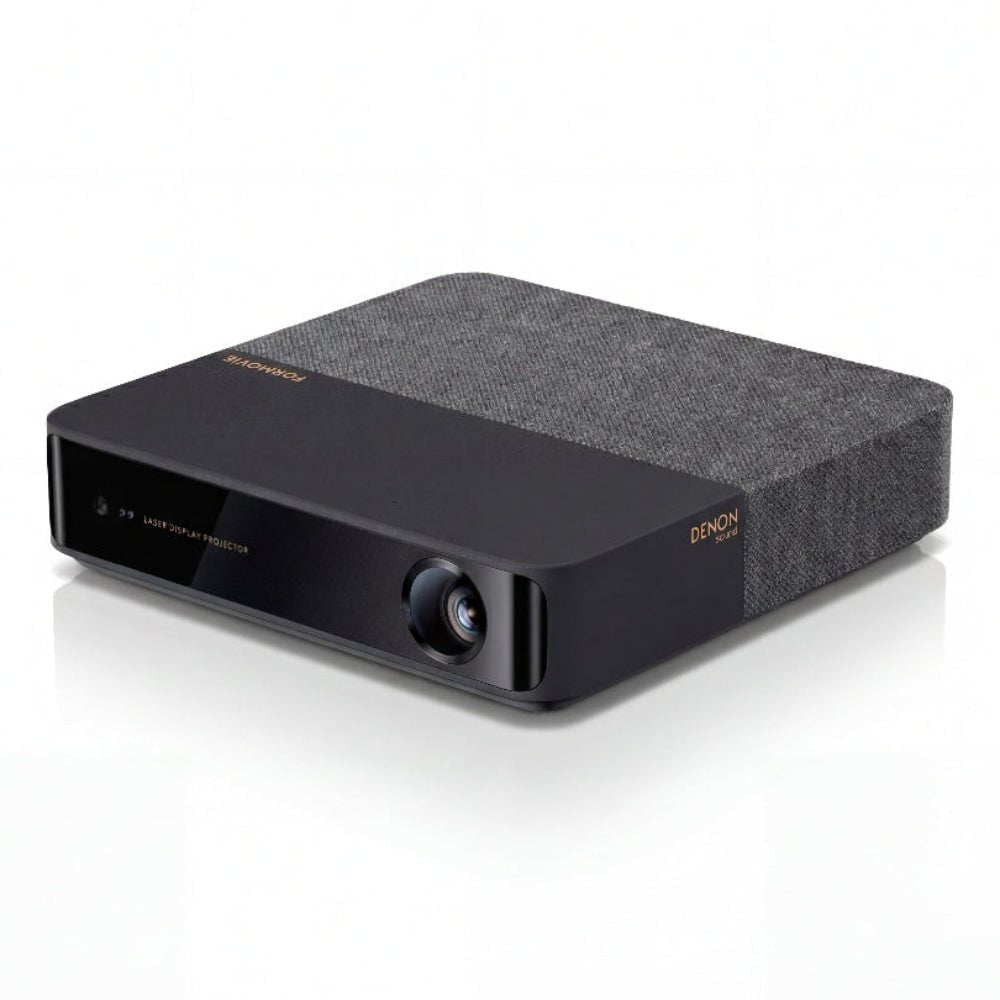
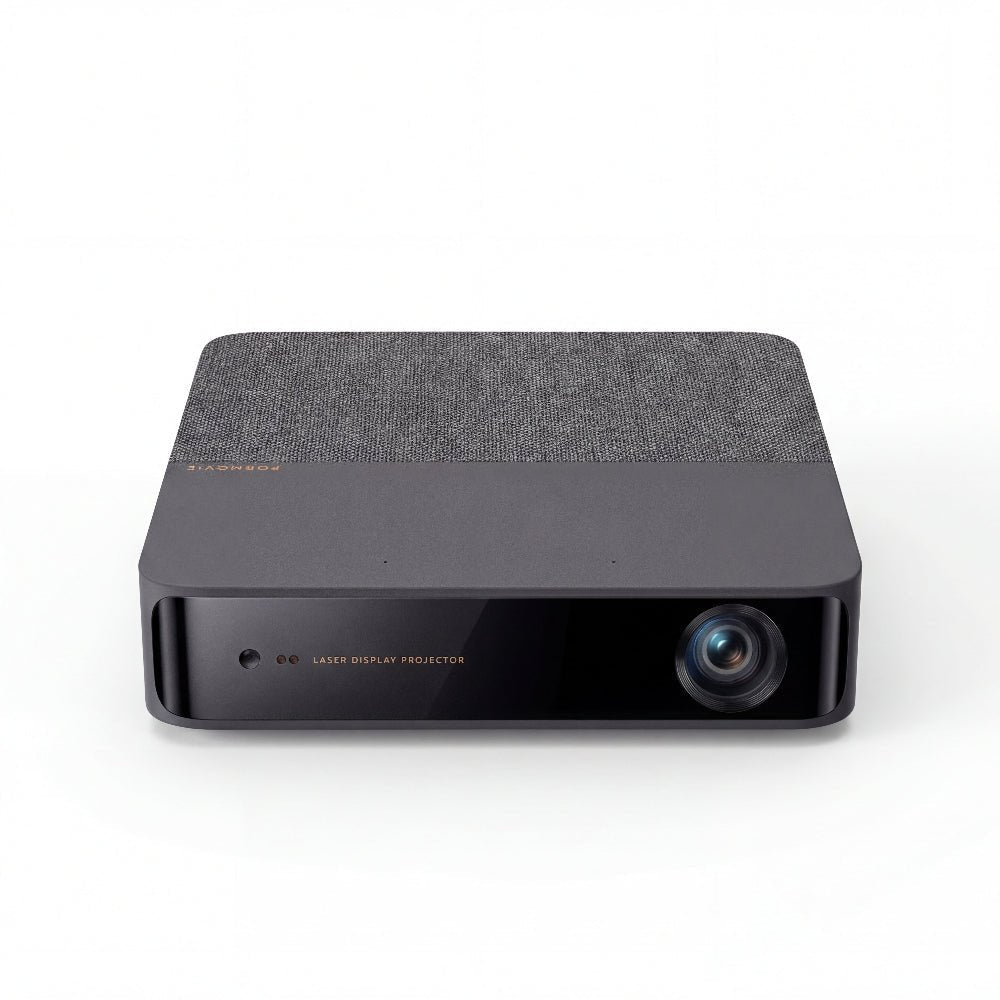
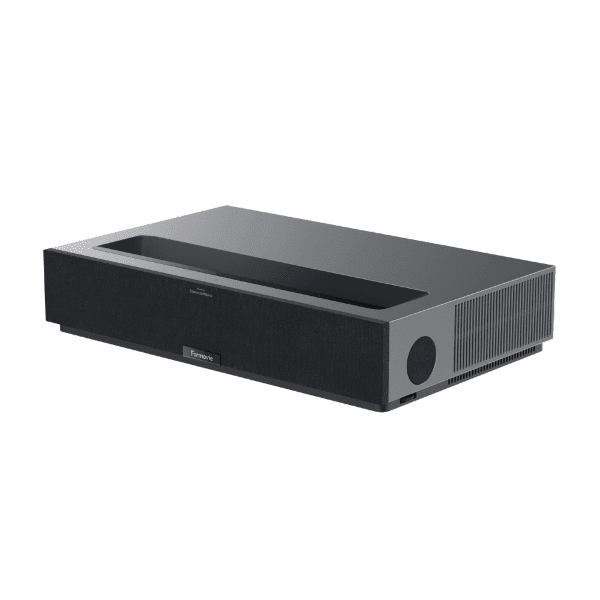
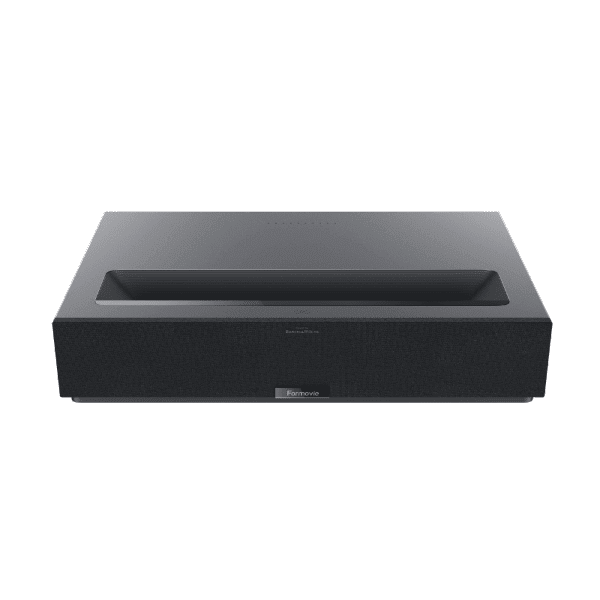
Established projector and TV brands with a reputation to protect, Epson, BenQ, Sony, and Formovie among them, tend to list ANSI or ISO lumens directly, since their buyers increasingly know to look for it. Leading Chinese smart projector brands like Dangbei, XGIMI, and JMGO have increasingly adopted CVIA lumens as an honest alternative to inflated marketing figures. Budget mini projectors and no-name marketplace listings lean on unlabeled lumens or Light Source figures far more often, because a bare number in the thousands looks more competitive on a product listing page than an honest ANSI figure in the hundreds. None of these patterns are universal, so always check for the standard name next to the number rather than assuming based on brand alone.
Where This Estimate Breaks Down
These conversion ratios are derived from cross-referencing multiple manufacturers' own disclosed comparisons, not from a single published formula, because no standards body defines LED, Light Source, or CVIA lumens against ANSI directly. Treat every result from this calculator and the reverse lookup table as a ballpark, not a spec. When a purchase decision is close, prioritise listings that name ANSI or ISO directly over anything requiring a conversion at all.
FAQ
Is there an official formula to convert LED lumens to ANSI lumens?
No. There's no regulatory standard behind LED lumens, so any conversion, including the 2.4x figure used here, is a rule of thumb drawn from manufacturer-disclosed comparisons, not a physical law.
What is CVIA lumens and should I trust it?
CVIA lumens is a Chinese standard from the China Video Industry Association, used by brands like Dangbei, XGIMI, and JMGO. It's a genuine 9-point measurement standard, not a marketing inflation trick, but its numbers sit roughly half of the equivalent ANSI figure, so don't compare a CVIA number directly against an ANSI or ISO one without converting first.
Why do Light Source lumens convert to such a small ANSI number?
Because that measurement is taken before any optical loss. By the time light passes through the colour wheel or mirrors, the imaging chip, and the lens, 40 to 60% or more can be lost, depending on the projector's build quality.
Should I ever trust a projector with no lumens standard listed at all?
Be cautious. If a listing gives a brightness number without naming ANSI, ISO, CVIA, LED, or Light Source, assume it's measured at the most favourable point in the optical chain and apply the Light Source conversion as a worst-case check.
How does this relate to the room brightness I actually need?
Once you have a real ANSI estimate, match it against room type: our lumens guide has the full breakdown from dark home theatres through daylight use.
Ready to compare real numbers? Browse our current projector range, all listed with honest brightness specs.